And Why You Should
~punk fiction is a genre that typically embraces anti-authoritarian themes, rebellion, and societal defiance. It’s not just a genre; it’s a mindset. Born from rebellion, ~punk challenges conventions, tears apart societal norms, and reimagines the past and the future through a lens of punk attitude.
The punk movement began with cyberpunk, a grimy, neon-lit world where hackers and corporations clashed. The term was first applied to fiction in the 80’s, beginning with Bruce Bethke’s eponymous short story, Cyberpunk and with William Gibson’s 1985 novel Neuromancer, which was labeled as cyberpunk. This is when the term cyberpunk came into widespread use.
Then came steampunk, which focused on the steam-driven past, an alternative history in which the technologies born out of the industrial revolution played an even greater role in history. The term originated in the 1980s as a tongue-in-cheek variant of “cyberpunk”. It was coined by science fiction author K. W. Jeter, who was trying to find a general term for works like his — which took place in a 19th-century setting and imitated conventions of actual Victorian speculative fiction such as H. G. Wells’ The Time Machine, Mary Shelley’s Frankenstein, and Jules Verne’s 20,000 Leagues Under The Sea. Steampunk was as much a rebellion as was cyberpunk, rebelling against a world of plastic and poor manners and in a way romanticizing the past by casting its technologies into the future.
Dieselpunk followed, bringing us into the 20th century from World War I to the 1950’s, when diesel power was a major technological focus of Western society.
Since then, the punk landscape has exploded into a vast spectrum of subgenres, each one twisting the past, present, and future into something daring and new. One of the latest ~punk subgenres to emerge is dreadpunk.
What Is Dreadpunk?
Dreadpunk is gothic horror with an edge. It resurrects the eerie, candlelit dread of classic horror—think Dracula, Frankenstein, and The Picture of Dorian Gray—but filters it through a modern, punk-inspired lens.
The term comes from Dragon Con’s horror track director, Derek Tatum, one of the founding fathers of dreadpunk. The dread is from penny dreadfuls, the pulp literature of Victorian society, which were often rooted in gothic horror.
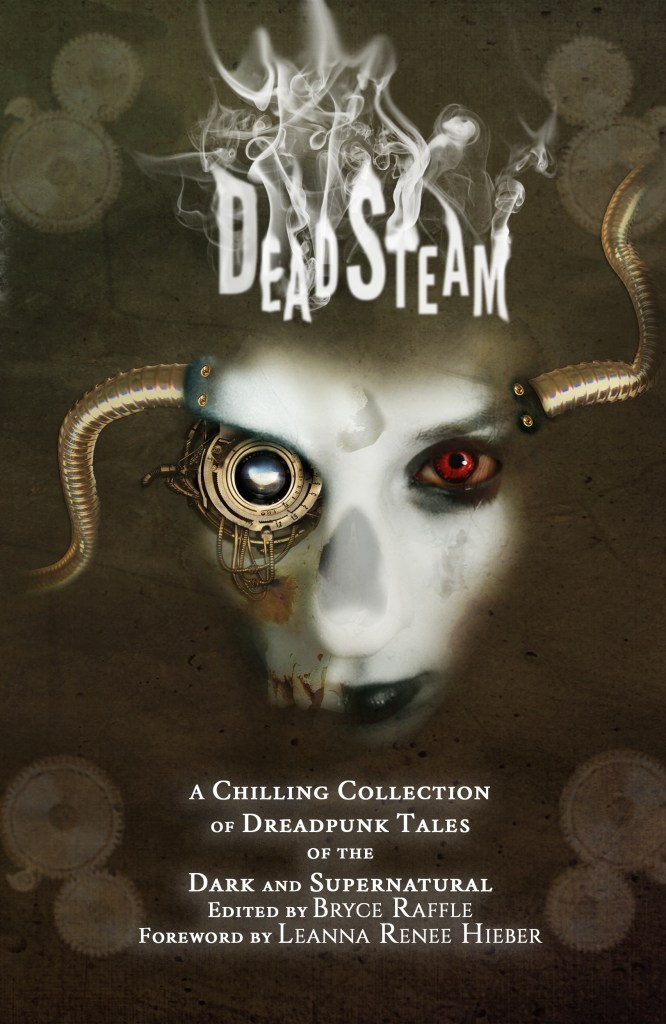
As Leanna Renee Hieber, another founding member of dreadpunk, explained in her foreword to DeadSteam:
“Dreadpunk’s compass needle is the centuries-old Gothic literary tradition, but it is a cross-genre enterprise reimagined by modern voices.”
Instead of merely retelling gothic tales, dreadpunk subverts them, using their aesthetic and themes to critique power structures, morality, Victorian sensibilities and gender roles, and of course the darker side of human nature. If cyberpunk asks, what happens when corporations control everything?, dreadpunk asks, what happens when we re-examine the classic traditions of horror through a modern lens, while still embracing those traditions?
Writing Dreadpunk: The Gothic Through a Punk Lens
To write dreadpunk, you’ll need to do more than simply drape your characters in dark velvets and hide your monsters within a sheen of fog and candlelight. Gothic horror is about power (both real and supernatural), isolation, and the creeping terror of the unknown.
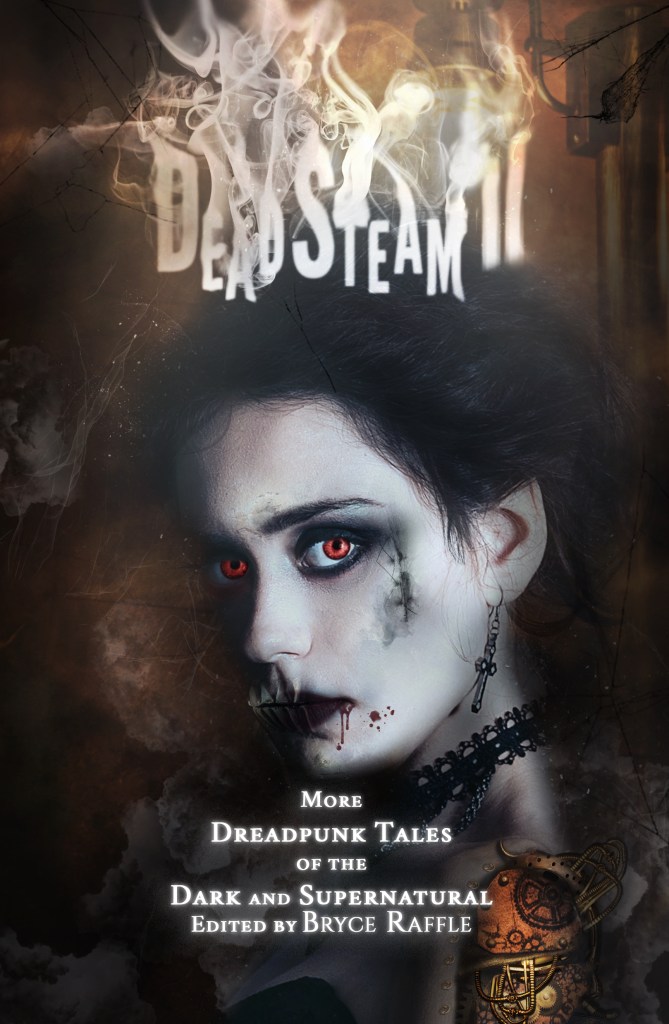
As I explained in my foreword to DeadSteam II:
I reached out to [Derek] Tatum for further info on the dreadpunk movement, and he was kind enough to get back to me, describing it as “gothic horror with modern storytelling techniques.” Hammer Horror, he said, makes a good comparison, “since that was an attempt to bring “period” horror up to the era it was made.”
And as Cherie Priest explained in the daily dot article:
“When you say something is punk, punk is shorthand for transgression…You challenge the dominant paradigm of what frightens you, and you challenge the dominant paradigm of who has power.”
Dreadpunk weaponizes these themes, turning them against archaic traditions and societal hypocrisies. It’s horror, but it’s also punk.
Key Elements of Dreadpunk:
The Gothic Aesthetic – Gaslight, haunted manors, thick creeping layers of fog, and decayed grandeur.
Literary Influences – Classic gothic tales serve as inspiration, but they’re rewritten with modern sensibilities.
Rebellion Against Tradition – Archaic rules, gender roles, corrupt nobility, and outdated beliefs are ripe for dismantling.
Monsters as Metaphors – Vampires, ghosts, and eldritch horrors reflect societal anxieties and hidden oppression. What these creatures represented to the Victorians may be different from what they mean to modern readers. This is an area for exploration. In my short story, Newgate (DeadSteam II), a ghost is used as a metaphor for psychological trauma leading to mental illness.
Why You Should Write Dreadpunk
Dreadpunk isn’t just about telling spooky stories; it’s about interrogating them. It’s a way to challenge the past while indulging in its eerie beauty.
If you want to write horror that is as unsettling as it is thought-provoking, dreadpunk is the perfect playground.
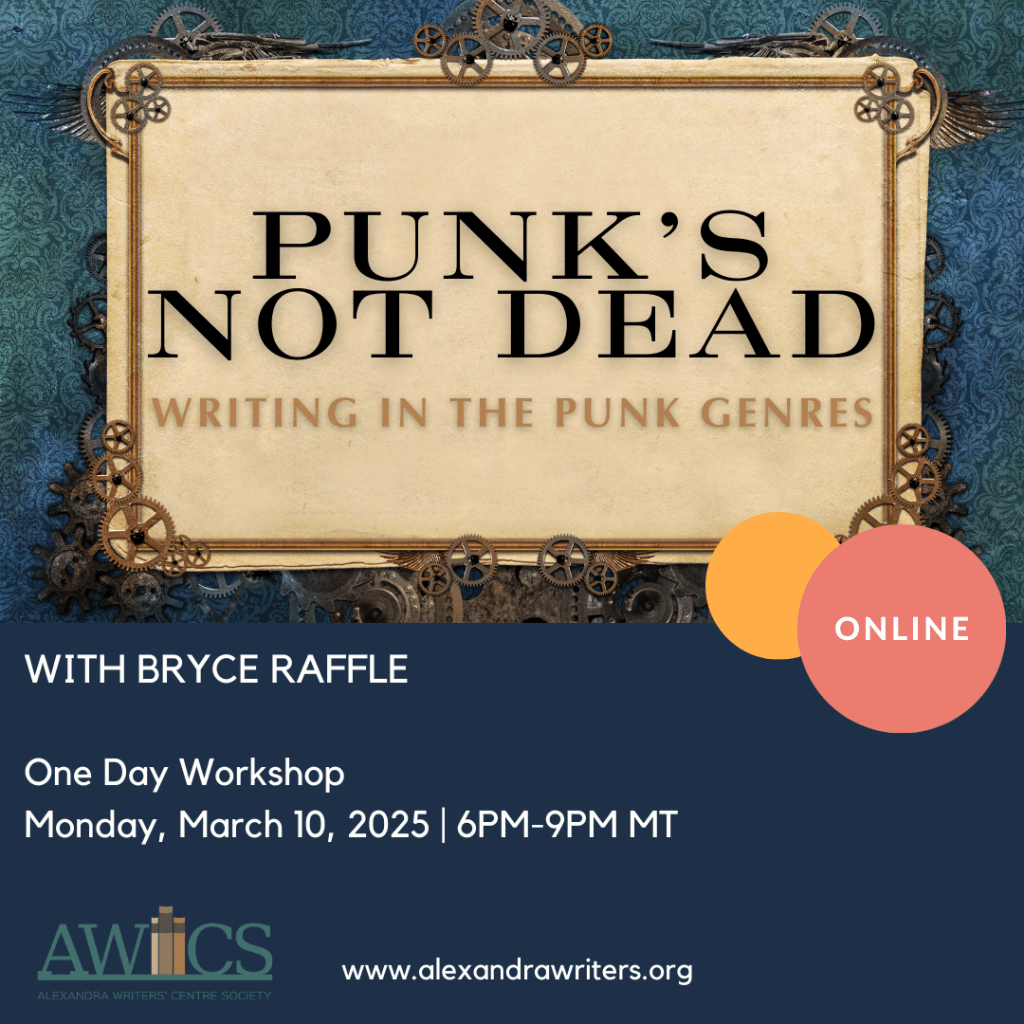
If you’d like to learn more about writing in the ~punk genres, be sure to sign up for my new class:
And if you’d like to read more dreadpunk, be sure to add DeadSteam and DeadSteam II to your reading list. Both dreadpunk anthologies include stories by me, as well as fellow Threads That Bind author David Lee Summers. Find out more at deadsteam.wordpress.com


2 responses to “How To Write Dreadpunk”
There’s nothing like free advice from a master, and if you’re into the punk aesthetic, make no mistake, Bryce Raffle is a master. Embrace his advice, read his recommendations, take his upcoming seminar. Believe me, you’ll come away with something to make your writing sharper, edgier, more compelling. Not a writer? That’s okay. You’re here on this site for a reason, so you must be a reader. By all means, dig into the Dead Steam collection and his other suggestions. You’ll be the richer for it…
LikeLiked by 1 person
Thanks, Jack! I appreciate you vouching for me. It means a lot, especially from a fellow master of the craft such as yourself. And yes, I’m proud to say that if you’re a reader of horror, DeadSteam is well worth the read. I was very lucky to receive submissions from some of the best writers in the genre out there.
LikeLiked by 1 person